


Reprogrammed human cells have been used in the quest to treat a rare genetic condition in children.
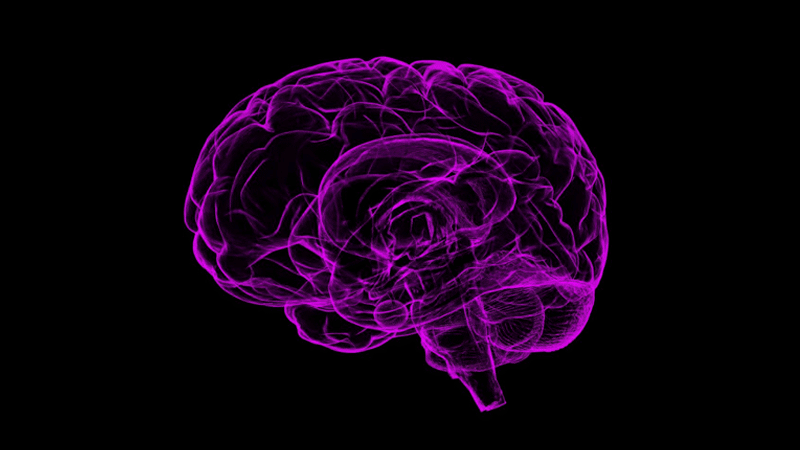
Using stem cells derived from a patient’s skin and blood, researchers created ‘mini-brains’ — tiny three-dimensional versions of the outer part of the forebrain — in order to safely test possible treatments.
A naturally occurring form of vitamin B3 was found to slow the progress of DHDDS-related juvenile parkinsonism, of which only 80 cases have been recorded worldwide.
‘Striking improvement’
Dr Irena Muffels, one of the Netherlands-based researchers, explained: “We started creating mini-brains — tiny blobs of brain tissue grown in the lab from patients’ own cells — thus avoiding the need to take samples directly from the children’s brains.”
Following the discovery that B3 slowed the progress of the disease in the ‘mini-brains’, Dr Muffels reported that the same treatment also led to a “striking improvement” in affected patients.
“Within a month we had noticed that these patients’ walking improved and that they were more energetic, less shaky, and their movements became more fluid. It really seemed to slow down progression of the disease.”
She added: “There is still a long way to go, but it was encouraging to see how well the creation of the mini-brains helped us mimic the progression of the disease in patients”.
Embryonic stem cells
Unlike research involving embryonic stem cells, studies that utilise ethically-sourced stem cells do not require the destruction of human embryos.
In the UK, the 1990 Human Fertilisation and Embryology Act allows experimentation on human embryos of up to 14 days’ development for certain research purposes.
The Human Fertilisation and Embryology Authority (HFEA) is pushing for a change in the law that would end a number of the existing restrictions on embryo research in an attempt to pursue ‘scientific innovations’ for new treatments.
The HFEA wants the law to enable experiments on human embryos beyond the existing 14-day limit, medical research that looks to manipulate DNA in human embryos, and techniques to be trialled without having to be properly authorised.
November 2023: Ethical stem cell research points to potential stroke and dementia treatment
January 2023: New ethical stem cell research gives hope for dementia treatment
December 2022: Two year old ‘wouldn’t be with us today’ without world-first stem cell operation
May 2021: Ethical stem cells deliver dramatic cure for ‘bubble boy’ disease
March 2021: ‘She’s given me back my life’, teen thanks adult stem cell donor
January 2021: Ethical stem cell research finds MND damage may be reversible