


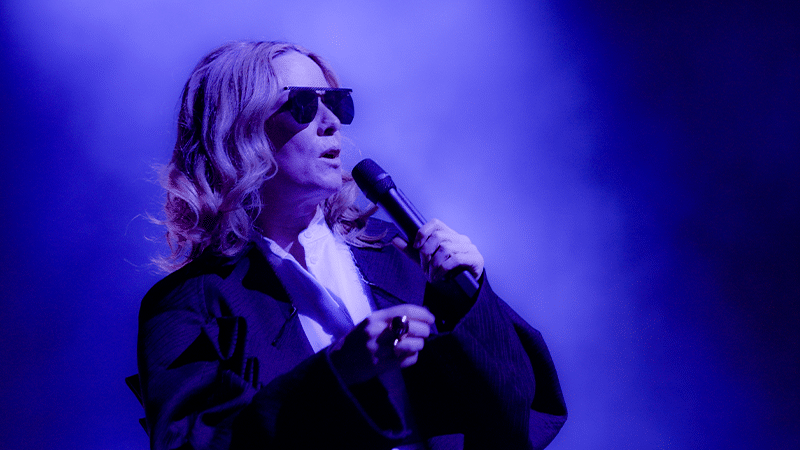
Singer Róisín Murphy has spoken out for the first time about how her world grew “very dark” after being cancelled for criticising puberty blockers.
Speaking at the launch of ‘The New Boycott Crisis’ report, which highlights how gender-critical artists have been viewed as “ipso facto transphobic”, Murphy explained how the “noisy minority” perpetuates cancel culture.
In 2023, she called puberty blockers “absolutely desolate”, posting on social media that “mixed-up kids are vulnerable and need to be protected, that’s just true” and “don’t call me a terf, please don’t keep using that word against women”. Since then, prescribing puberty-blocking drugs to children has been banned in Ireland.
‘Hypocrisy’
The 52-year-old stated: “Being cancelled is hard.” She explained: “Everyone and anyone who is ever going to disappoint you does so all at once. Networks of interwoven friendship and career that took years to grow collapse overnight.
“All the hypocrisy, frailty and hidden disloyalty gets exposed at once. It’s bewildering and it’s a bitter pill.”
Murphy added: “Meanwhile, a noisy minority, often very confused young people caught in cycles of pornography and niche online communities, have made themselves the social media enforcers.
“Small groups with multiple accounts can trigger the cancellation of events and whole careers.”
‘Fire and brimstone’
During the social media backlash over her 2023 comments, Radio 6 Music decided not to broadcast five hours of her content as part of its 6 Music Artist Collection.
But although the row caused two of her concerts to be cancelled, with her record company pulling publicity, her ‘Hit Parade’ album became her first UK top ten.

Employees outraged over Irish power company’s pro-trans policy
Group sings at London Marathon in wake of Scope trans debacle