


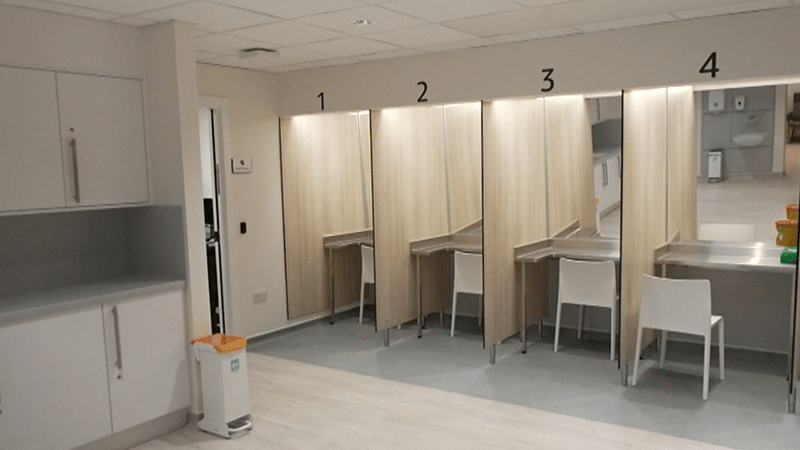
Additional places where addicts can inject illegal drugs without fear of arrest are urgently needed, the Scottish Government has claimed.
Under its new Alcohol and Drugs Strategic Plan, the SNP pledged ‘not to delay’ in opening more shooting galleries as well as exploring other ‘harm reduction’ measures, such as distributing crack cocaine pipes to users for “safer inhalation”.
According to the document, the primary goal of safer drug consumption facilities is to prevent disease, infection, and fatal overdoses, while also reaching “people who might otherwise not engage” with services. But critics have previously highlighted that resources would be better spent on recovery services helping people to be drug free.
Taxpayer funds
SNP Health Secretary Neil Gray recently admitted that key stakeholders were not consulted by him on the impact of Scotland’s first drug consumption room in Glasgow.
In a written response to the Scottish Parliament, Gray said that no ‘specific discussions’ about The Thistle had taken place with Police Scotland or local Calton residents.
During its first full year of operation up to January 2026, the controversial shooting gallery was used by 599 registered users and witnessed “over 8,300 injecting episodes”. The Thistle’s three-year pilot project is being funded by the Scottish Government at a cost of £2.3 million per annum to the taxpayer.
‘Illegal’
During a Westminster debate on The Thistle, Chair of the Scottish Affairs Committee Patricia Ferguson MP warned earlier this year that the “concerns of the local community must be taken seriously”.
She told the House that the Committee had “recommended proactive engagement through the community forum and the development of a responsive communication strategy”.
Shadow Crime Minister Matt Vickers MP said the Conservative Party feared that “the use of drug consumption rooms condones or even encourages illegal drug use”. In addition, he did not personally believe that “giving people the ability to take these illegal products, in whatever environment, helps to end that addiction”.
Saving lives
Last year, Stirling University announced a three-year £2.6 million UK Government-funded trial to assess whether prescribing diazepam for users of the street-sourced sedative would help reduce drug-deaths.
But Annemarie Ward, CEO of addiction recovery charity FAVOR UK, responded: “Once again, millions are being poured into managing dependency rather than ending it. We’re now prescribing street drugs to prove that prescribing street drugs might make people safer while they’re still dependent on street drugs.”
She also said: “If Scotland truly wants to save lives, we’d spend that £2.6 million on real recovery, detox beds, abstinence-based rehabs, and peer-led aftercare instead of another academic experiment in managed decline.”

Canada scraps drug decriminalisation policy: ‘It didn’t work’