


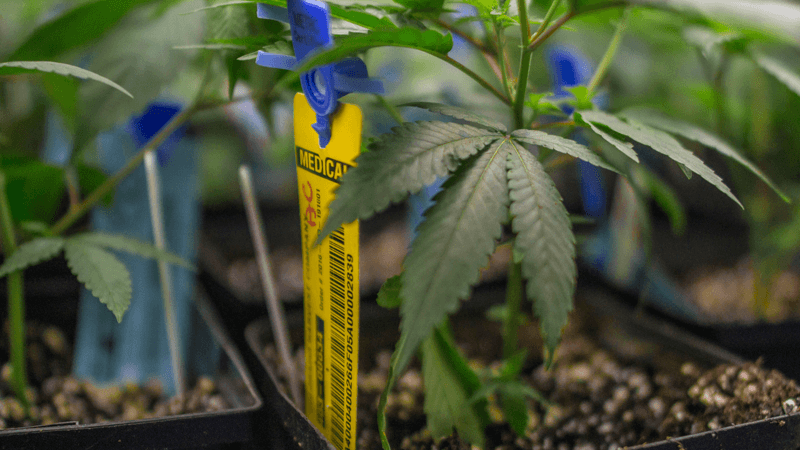
A new study has questioned the use of ‘medicinal cannabis’ as an effective treatment for drug addiction and mental ill-health.
Researchers from Australia and the UK reviewed data from more than 50 trials in order to test “the efficacy and safety of cannabinoids as the primary treatment” for mental disorders or substance use disorders (SUDs).
Dr Jack Wilson, Research Fellow at The University of Sydney and lead author of the report, warned that “the routine use of medicinal cannabis could be doing more harm than good by worsening mental health outcomes”.
Concerns
The study, published in The Lancet Psychiatry, “found no benefit of cannabinoids” for some conditions, including opioid addiction, bipolar, anxiety, PTSD, and anorexia nervosa.
While it reported a reduction in symptoms for a small number of disorders, researchers noted that “the quality of this evidence was generally low”.
The academic paper concluded: “Despite the increasing use of cannabinoids to treat mental disorders and SUDs, we found relatively weak evidence that they were beneficial compared with placebo in most conditions.”
“Given the absence of evidence of efficacy, it is of concern that the use of cannabinoids could delay or replace the use of known effective therapies, such as cognitive behavioural therapies, which have shown large effect sizes in treating depressive and anxiety disorders.”
‘Drug dealers for the middle class’
Commenting on the results, Professor Owen Bowden-Jones, Registrar at the Royal College of Psychiatrists, observed: “This rigorously conducted study gives us the clearest indication yet that the benefits of cannabis as a medicine may have been overstated for many conditions.”
Professor of Psychiatric Research at King’s College London, Sir Robin Murray, said the findings confirmed his belief that “many people are misled into using cannabis to treat their problems. In my view, the UK cannabis clinics operate as drug dealers for the middle class.”
Earlier this year in Greater Manchester, HM Coroner Catherine McKenna concluded that medicinal cannabis contributed to the death of 34-year-old Oliver Robinson, a man with a history of mental ill-health.
McKenna was satisfied that a private prescription for the drug by Curaleaf Clinic — which manufactures and distributes medicinal cannabis — played a part in his death by misadventure. The case is thought to be the first in which a prescription of medicinal cannabis has been found to contribute to a death.
Cannabis academy’s teachings ‘biased’ and ‘dangerous’