


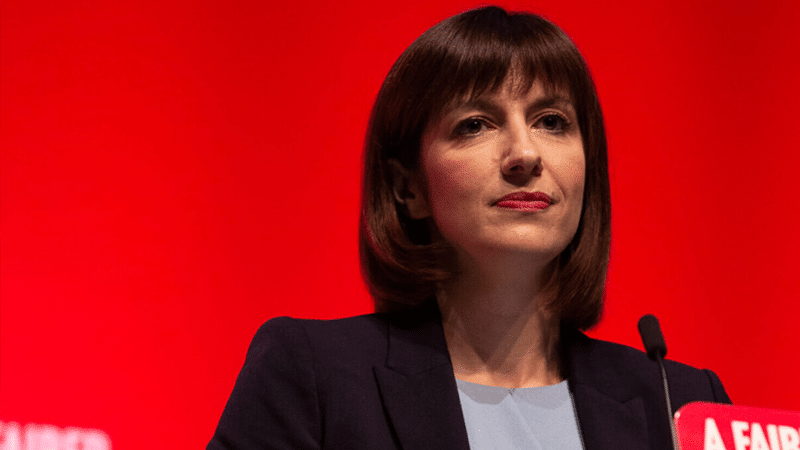
The Education Secretary has claimed that gender-confused boys should be allowed to wear dresses to school.
Speaking on LBC radio, Bridget Phillipson MP claimed that “if a boy wants to wear dresses, we should just allow that to work. Children will experiment at different points. They will consider who they are. Just taking a watchful approach, not coming down too hard on that, actually reduces what we see in terms of children moving towards a more medicalised model.”
But last month, the Department for Education’s proposed section to the Keeping Children Safe in Education (KCSIE) guidance noted that social transitioning (i.e. adopting the name, pronouns and uniform of the opposite sex) is an active intervention with significant effects.
‘Automatic affirmation’
When questioned if she was comfortable about a five-year-old boy wanting to adopt a girl’s name, she said it would be “exceptionally rare for primary schools” to allow children to “behave in ways that might not be aligned with their sex, their gender”.
She added: “I’ve also been clear that in anything in that space, unless there are very strong safeguarding reasons where a child is at risk of harm, parents should be involved in those important decisions.”
The Christian Institute’s Head of Education John Denning commented: “The draft guidance already stopped short of giving schools the categorical direction that is needed to protect children.
“So it is very concerning that the Secretary of State is suggesting a course of action that falls short even of those protections and risks re-introducing the culture of ‘automatic affirmation’ that has caused so much damage.”
Social transitioning
The proposed guidance states that, unless there are safeguarding concerns, decisions on transitioning should not be made without the involvement of parents and full social transition should happen “very rarely”.
Without exception, it requires schools to ensure children use the toilets and changing facilities that match their biological sex. However, it does not categorically ban gender-affirming pronouns or referrals to controversial groups such as Mermaids.
The guidance is currently under consultation. Once finalised, schools must have regard to it by law.

MP urges lessons to be learnt from detransitioner harmed by ‘affirming care’
Irish Govt: ‘No legal obligation on schools to use preferred pronouns’
Scot Govt amends school toilet guidance to refer to biological sex