


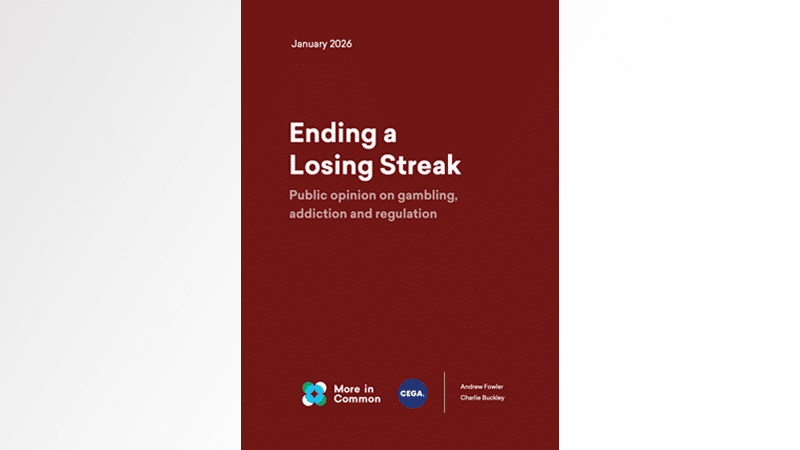
Nearly two thirds of the British public consider gambling to have a negative effect on people, a survey has revealed.
Pollsters More in Common found that 62 per cent of respondents believe gambling is very or somewhat harmful, and one in five reported that someone close to them had been affected by problem gambling.
Between August and November 2025, the think tank collated the responses of more than 5,000 British adults to gambling, addiction and regulation.
Gambling reform
Writing a foreword to the report published last month, Sir Iain Duncan Smith hailed its findings as “a powerful account of the British Public’s attitudes towards the gambling sector”.
It shows, he continued, “that tougher regulation of the gambling sector would not only be uncontroversial but would carry strong public support from voters across the political spectrum.
“The fact that more people would prefer an empty shop on their high street than a gambling shop should tell the government about how the public view the sector.”
The former Conservative party leader urged those in power to “move towards public opinion, and start to reform gambling in Britain for the better”.
2 in 5 Brits gamble
More in Common reported that “more than two in five Britons say that they gamble either sometimes or regularly”. Of these, it said, 42 per cent played the National Lottery at least weekly, 38 per cent said they “put money on football or horse races at least once a week”, and “12 per cent of British gamblers say that they use unlicensed betting providers at least once per week”.
It also found that Britons considered online gambling to be the most harmful, “as it is too accessible, too easy to hide from those trying to help you, and too addictive”. It noted particular worries “about the speed at which people can bet – and lose – their money online” with 53 per cent in support of “slowing the speed of online slots or roulette to reduce harm and addictiveness”.
The think tank revealed that “many Britons feel as though there are now too many gambling premises in their community” and reported wide support for the idea of local councils having more power “to limit the number of gambling venues in the community”.
Most respondents said they “believe that government policy should focus on reducing gambling harm, even if this impacts people’s ability to gamble – by 68 per cent to 22 per cent”.
Surge in gambling harm
In December, Labour MP Dr Beccy Cooper urged the Prime Minister to do more to tackle the harms caused by gambling advertising.
During Prime Minister’s Questions, Dr Cooper highlighted gambling addiction as a “serious public health harm”, and criticised industry giants for spending billions on advertising, often targeted towards the vulnerable.
The Prime Minister agreed that “harm from online gambling has surged” and noted that “NHS referrals are up 91 per cent in the past year”.
He said that the Government is “working with industry to ensure that adverts don’t exacerbate harm” and highlighted a £26 million investment in the Gambling Commission to “crack down on black market sites and illegal adverts to keep players safe”.

Manager stole £20k from wildlife charity to fund gambling habit
36-year-old man committed suicide after being enticed by illegal betting sites