


A Bill to dismantle the three-day reflection period before having an abortion has been launched in the Dáil.
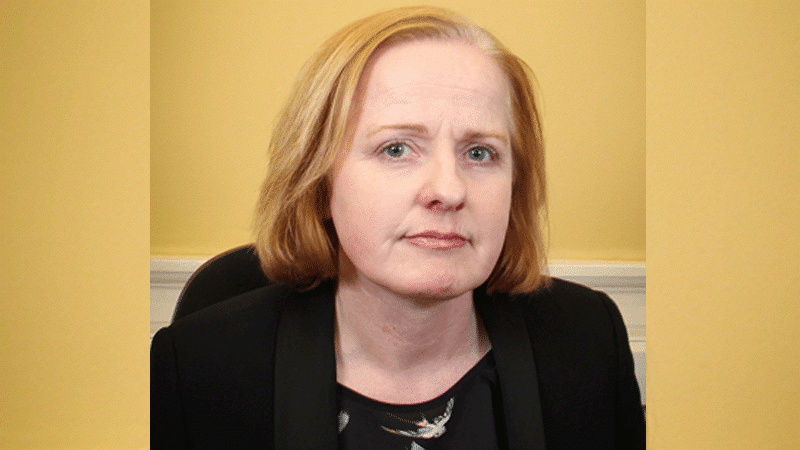
Ruth Coppinger TD, the main sponsor of the Health (Regulation of Termination of Pregnancy) (Amendment) Bill 2026, complained that no such rules existed “for other procedures”.
Based on an internal study, the Irish Family Planning Association recently admitted that between 2019 and 2024 eleven clients who attended a preliminary appointment with them decided to continue with their pregnancy after the three-day mandatory waiting period.
‘Nose job’
Introducing her Private Member’s Bill in the Dáil, Coppinger argued: “This clause does not apply to any other medical procedure that we have in law.
“One can buy Viagra over the counter – I would love to have a debate about that in the House. One can have a rhinoplasty procedure performed and there is no mandatory wait. The regret rate for rhinoplasty is 40%.”
The People Before Profit-Solidarity Deputy added: “The right, the religious right and the far right are pushing back on rights we won in the 2000s and the 2010s. I ask that the Government consider this as being an absolutely necessary reform”.
Coppinger is seeking to revive part of a 2023 Bill, which TDs voted not to restore for further debate after it lapsed at the dissolution of the Dáil in 2024.
Death toll
One in six babies in Ireland were killed by abortion in 2024, according to the Department of Health.
A total of 10,852 abortions took place the same year, bringing the number of abortions recorded by the Government since the 2019 law change to around 55,000.
Abortion is available on demand up to twelve weeks, with a three-day reflection period. Since the coronavirus pandemic, women have been allowed to take abortion pills to abort their babies at home.

Babies receiving insufficient care after failed abortions in Ireland
‘Staggering’ 1 in 6 babies killed by abortion in Republic of Ireland
State-sponsored abortion in Ireland putting women’s health at risk