



A US-based genetic testing firm has come under fire for boasting that it can screen out unborn children who may grow up to be depressed.
Posting on X, Herasight employee Tobias Wolfram promoted the company’s test for major depressive disorder to parents undergoing in vitro fertilisation (IVF) who want a “happy child” who sleeps better, fights less and enjoys “jokes more”.
Although the test would be illegal in the UK, since depression is not classed as a serious genetic condition, there have been reports of parents sending genetic data abroad and then using the results to choose their “top-scoring” embryo.
‘Commodity’
Josh Wood, Executive Director of campaign group Them Before Us, said: “Some will say that if we could prevent kids from ever being depressed, that would be a good thing. But that is not what this test does. It doesn’t treat or heal any child. The children it grades already exist, and it only decides which of them get to be born.
“It turns children into a commodity and discards the undesirables.”
Instead of communicating to those with depression that “a life like yours isn’t worth living”, he emphasised that “they need to be supported”.
Down’s syndrome
Writing in The Daily Telegraph, columnist Dominic Lawson highlighted the irony of such testing when those with Down’s syndrome are the most commonly screened out group of people.
He explained: “When I say that our own daughter with Down’s Syndrome – now 31 years old – is the happiest person I know, it may come across as mere parental pride and joy. But academic research shows the wider picture.”
The columnist drew attention to a 2011 survey of people aged twelve and over with Down’s syndrome, which concluded: “Nearly 99 per cent of people with DS indicated that they were happy with their lives, 97 per cent liked who they were and 96 per cent liked how they look.”
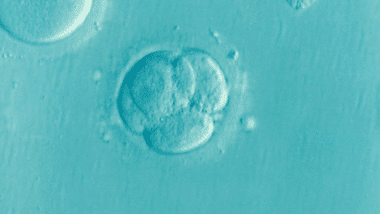
IVF usually involves removing multiple eggs from a woman’s ovaries, which are then fertilised with sperm in a laboratory. But unknown numbers of fertilised eggs are frozen, stored and subsequently destroyed.
Questions raised over accuracy of common IVF ‘screening’ test
Scotland considers sidelining children’s welfare by liberalising IVF
Scientists call for ‘easy access’ to human embryos for experimentation