



Lord Falconer of Thoroton has threatened to invoke the Parliament Act in an attempt to force Peers to ‘speed up’ their scrutiny of plans to legalise assisted suicide.
Speaking to BBC Radio 4’s Today programme, the sponsor of the Terminally Ill Adults (End of Life) Bill said the move might be necessary to bypass what he claimed was “minority filibustering” in the House of Lords.
But Nikki da Costa, former No. 10 Director of Legislative Affairs, told listeners that Lord Falconer’s plan would result in a Bill that is “full of holes” being forced onto the statute book without proper parliamentary scrutiny.
Haste not speed
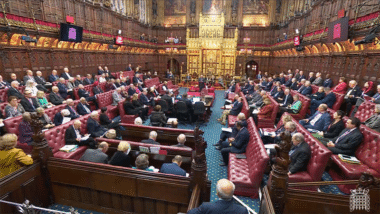
During the House of Lords’ Committee of the Whole House debate last week, Lord Falconer again suggested that he was ready to try to use the Act. He said: “in relation to the question of the Parliament Act, the last thing I want is for this to happen through the Parliament Act”.
But, he threatened, “the problem is that it is taking not just far too long but disproportionately long”, and that Peers “needed to move quicker”.
In reply, Baroness O’Loan reminded him that he had only previously called on colleagues to allow more time for debate, “not that the House needed to race through the Bill”.
She countered: “the House must not rush this, because we are talking about life and death, and in particular the life and death of very vulnerable and marginalised people”.
‘Legislate blind’
Baroness Falkner of Margravine, former Chairwoman of the Equality and Human Rights Commission, highlighted to the chamber a recent letter sent to the Government urging it to update its Equality Impact Assessment (EIA).
Signed by more than fifty Peers, Lady Falkner said the update was needed as “the current EIA contains several gaps and focuses primarily on access to an assisted death rather than on safeguarding risks and the potential for coercion”.
She expressed disappointment in the Minister’s response, which stated that an updated EIA would only be provided “should the Bill receive Royal Assent”, and “once detailed implementation work has been completed”. She concluded: “In other words, the Committee is being told that it must legislate blind.”
Further concerns raised by Peers included the use of remote, rather than face-to-face, assessments for assisted suicide, and the need to ban the use of artificial intelligence in the deployment of the proposals, should they become law.
Pro-assisted suicide MPs and Peers fear Leadbeater Bill may fall
Assisted suicide because of poverty debated in House of Lords scrutiny