


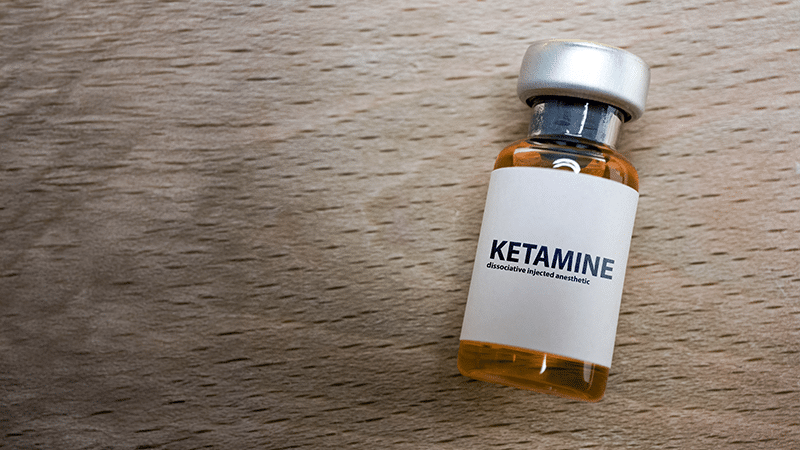
A specialist ketamine clinic in Liverpool has reported a dramatic rise in the number of referrals from GPs and A&E.
Urology Consultant Emma Fishleigh at Aintree University Hospital reported that the use of the Class B drug is “skyrocketing” in the region, leaving many chronic users with excruciating pain and irreversible organ damage.
Ketamine use reached the highest level ever recorded in 2024, with nearly 300,000 users. There has been a 231 per cent increase in use among 16–24-year-olds since 2013.
Terrified
Pain Medicine Consultant Dr Graeme Fitzpatrick said that for many patients ketamine “is the only thing that for a short time gives them a little bit of relief, even though we know over time it’s just making it worse”.
Social Worker James Mawhinney, who works with users across the City, added: “There’s a lot of suicidal ideation. They find it really difficult to leave the house sometimes because of the bladder problems they’re experiencing.”
Megan, a recovering user and patient at the clinic, explained that the side-effects of the drug left her terrified yet unable to quit. It left her, mum Angela recalled, “at death’s door”.
Angela explained: “Her liver was failing, her kidneys were failing, her bladder was already completely gone, her nose was damaged with all the ketamine. So, it was just thinking to yourself, ‘I’m going to be planning her funeral here.’”
Irreversible damage
In June, County Durham and Darlington Police and Crime Commissioner Joy Allen called on the Government to “act decisively” in reclassifying ketamine as a Class A drug.
Warning of the risks, PCC Allen stated: “Ketamine kills. It causes irreversible brain and physical damage and is becoming increasingly popular, particularly among young people.
“The time to act is now. We must not wait until its use mirrors that of cocaine or other Class A drugs. Drug classification must reflect harm, not prevalence.”

‘Kids think ketamine isn’t addictive, they couldn’t be more wrong’
Water samples reveal dramatic upward trend in ketamine use
Coroner sounds alarm on ketamine’s devastating health effects