


Patients with a previously incurable blood cancer are benefiting from pioneering ethical gene immunotherapy.
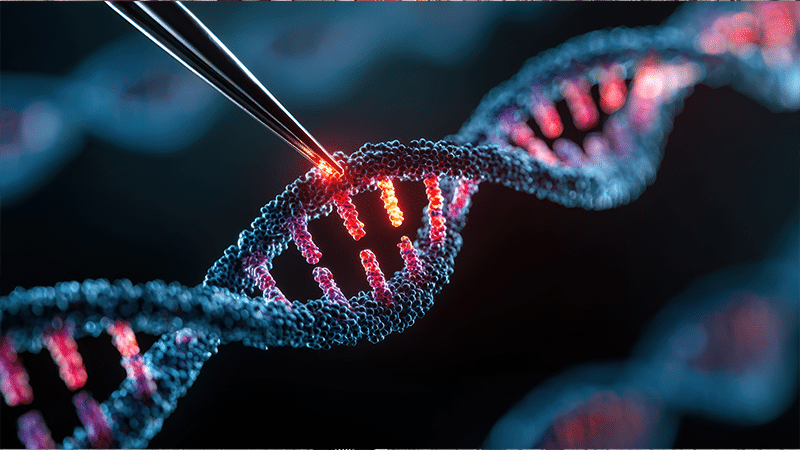
In a clinical trial by researchers at University College London and Great Ormond Street Hospital (GOSH), seven out of eleven participants with T-cell acute lymphoblastic leukaemia remain disease-free after receiving the ‘base editing’ treatment BE-CAR7.
Scientists modified a type of white blood cell (T-cell) from a donor. When given to the patient, the edited T-cells (BE-CAR7) ‘seek and destroy’ the body’s T-cells, clearing it of leukaemia.
Strength to strength
Alyssa, now 16 years-old, was the first patient in the world to receive the cutting-edge treatment in 2022.
Prior to joining the trial, she and her family were discussing the possibility of palliative care, but three years on Alyssa has been discharged to long-term follow up and is going from strength to strength.
Reflecting on her experience, she said: “I really did think that I was going to die and I wouldn’t be able to grow up and then do all the things that every child deserves to be able to do.”
She told BBC News: “I’m looking into doing an apprenticeship in biomedical science, and hopefully one day I’ll go into blood cancer research as well.”
Hope
Team leader Professor Waseem Qasim explained: “A few years ago this would have been science fiction.
“Now we can take white blood cells from a healthy donor and change a single letter of DNA code in those cells and give them back to patients to try to tackle this hard-to-treat leukaemia.”
Dr Rob Chiesa, study investigator and Bone Marrow Transplant consultant at GOSH said: “Although most children with T-cell leukaemia will respond well to standard treatments, around 20% may not.
“It’s these patients who desperately need better options and this research provides hope for a better prognosis for everyone diagnosed with this rare but aggressive form of blood cancer.”
Bespoke gene therapy transforms child’s life
Ethical stem cells deliver dramatic cure for ‘bubble boy’ disease
Tiny pacemakers offer hope for newborn babies with heart defects