


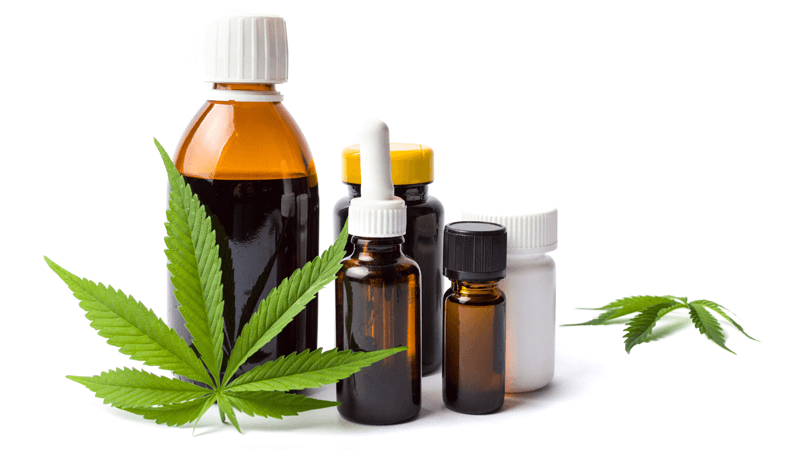
Robust measures are to be introduced on Jersey to control prescribing cannabis.
Government confirmation of the plans follows a coroner’s report identifying the consumption of medical cannabis as a significant contributory factor in the death of 66-year-old islander David Morgan in a house fire last year.
According to official figures, 72,065 cannabis-based products were dispensed in Jersey in 2025, an increase of about 35 per cent on the 2024 figure of 53,477. In 2023, a Government audit found that 6.1 per cent of Jersey’s working population received a prescription for cannabis.
Death
Deputy Viscount Matt Berry found that Morgan died from “acute carbon monoxide poisoning resulting from exposure to fire, contributed to by starvation/stress-induced ketoacidosis and the consumption of unlicensed CBPMs [cannabis-based products for medicinal use]”.
Responding to the coroner’s findings, Health Minister Tom Binet said “action must be taken to ensure robust oversight and control of unlicensed medicinal cannabis prescribing in Jersey”.
He added: “In early 2027, I will bring forward new legislation requiring doctors who prescribe unlicensed medicinal cannabis to adhere to more stringent practices.”
After the inquest, Morgan’s family said: “David’s death must mean something. We want meaningful change where change is needed.”
UK private clinics
Earlier this year in Greater Manchester, HM Coroner Catherine McKenna concluded that medicinal cannabis contributed to the death of 34-year-old Oliver Robinson, a man with a history of mental ill-health.
McKenna was satisfied that a private prescription for the drug by Curaleaf Clinic — which manufactures and distributes medicinal cannabis — played a part in his death by misadventure.
The case is thought to be the first in the UK in which a prescription of medicinal cannabis has been found to contribute to a death.
In the UK, medicinal cannabis prescriptions from private clinics increased from fewer than 400 per month in 2020 to 85,000 items per month by the start of 2025.
‘Weak evidence’
A recent study published in The Lancet Psychiatry questioned the use of medicinal cannabis as an effective treatment for drug addiction and mental ill-health.
Researchers from Australia and the UK reviewed data from more than 50 trials in order to test “the efficacy and safety of cannabinoids as the primary treatment” for mental disorders or substance use disorders.
The academic paper reported “no benefit of cannabinoids” for some conditions, including opioid addiction, bipolar, anxiety, PTSD, and anorexia nervosa.
While it reported a reduction in symptoms for a small number of disorders, researchers noted that “the quality of this evidence was generally low”.
Cannabis academy’s teachings ‘biased’ and ‘dangerous’