
World Cup 2026: A perfect storm for gambling


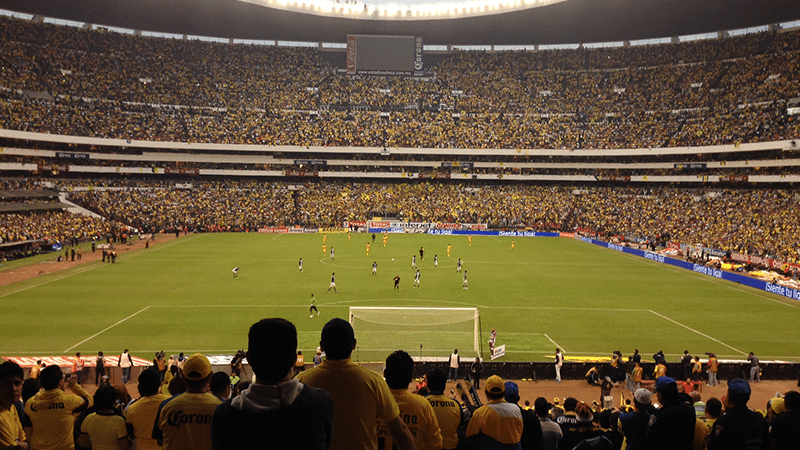
As this FIFA World Cup moves towards the knockout stages, it looks to have been a success from the organisers’ point of view. Plenty of goals, wins for the host nations, plenty of upsets and underdog stories for neutral fans to get behind. Everything seems pretty rosy.
But this expanded competition – there are more games at this world cup than ever before, a staggering 104 matches compared to 64 in 2022 – does pose some serious issues. Particularly to do with gambling.
The major risk factors for harm are the late kick-off times and the adverts.
Whistle-to-whistle ban
For those of us in the UK, the majority of games kick off at 9pm or later. This means that TV advertisers won’t be restricted by the current watershed ‘whistle to whistle’ ban that prevents gambling adverts being shown from five minutes before to five minutes after the game. They can still advertise before the watershed in the build up to matches, but it stops that final, last minute push to get you to bet before a game starts, and it stops betting adverts at half time. Such adverts used to be commonplace: “3/1 on England to score again. Bet now!” While they are still shown post-watershed, they have at the very least been toned down somewhat.
The gambling industry spends between about £1.5 billion and £2 billion a year on advertising, and it wouldn’t do that if it wasn’t effective. In fact, research shows there is a very clear correlation between advertising and betting. A study earlier this year showed that people are 16 to 24 per cent more likely to bet on football if they are watching on a channel that contains gambling advertising.
The Betting and Gaming Council says this whistle-to-whistle ban has been a huge success, and that fewer people are seeing adverts. That will be true to some extent, but we should not overplay this – let’s not forget that when people are interested in a match, they will sit down to watch well before kick-off. They will watch the build up to the game 15 minutes or half an hour before it starts.
So even though there is this whistle-to-whistle ban pre-watershed, there are 20 group stage games that are on before this watershed, and gambling companies can still advertise up to five minutes before the start. So actually, if you’re watching the full coverage, there will still be adverts during that time. And it’s just a ban on TV advertising – those adverts will still be on the radio and all over social media throughout the match.
Late night betting
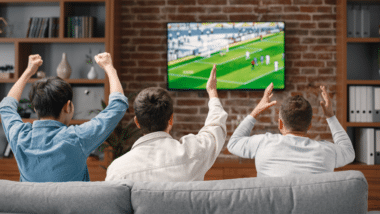
But these late night games carry with them another issue: tiredness.
It is common knowledge that people are less alert when they are tired, and are more likely to make poor decisions. This is compounded if there are other factors impairing cognitive functions, such as if a person has been drinking. The UK has a drinking culture, and we see this particularly with football. Many people will not watch a football match without having ‘a few cans’.
That pairs poorly with the culture we also seem to have when it comes to betting. Gambling and sport have become so intertwined that many people will always have a bet whenever they watch a game. It’s been sold to them by the advertisers that this will aid their enjoyment of the game. Research on gambling and tiredness shows the same outcomes – that when people are tired, they are more likely to chase their losses, bet beyond their means, and generally get themselves into trouble. And so betting, late night games, and alcohol are a perfect storm for gambling harm.
Large sporting events always draw in more casual gamblers – those who wouldn’t ordinarily bet might take a small punt on the overall winner, or who the top scorer might be, or they might bet on their nation to win each match as and when they play – but the adverts the public will be exposed to showcase a smorgasbord of possible ways to flush their money away.
It’s not just the outcome of games. It’s ‘Who will win the golden boot?’; ‘Who will get the golden glove?’; ‘Who will be player of the tournament and young player of the tournament?’.
And it goes far beyond that. Betting websites allow you to bet on just about anything: most assists; which teams will top their groups; which teams will come bottom; how far will each team get; the exact number of points a team will get in the group stages; which players will start each game; the exact number of goals scored throughout the entire tournament.
And there’s the in-game betting: how many goals will be scored; when will the next goal be scored; how many corners; how many yellow or red cards, who will receive them; how many substitutions will the managers make? The list is almost endless.
Mid-game breaks
Mid-game breaks have been somewhat controversial already. Introduced to give players the opportunity to take on more water and replenish electrolytes, some have questioned whether they are really necessary, particularly on days when the temperature has not been particularly high.
Others have suggested that these breaks are simply a chance for more adverts. The US is renowned for its regular advert breaks throughout sporting events and whenever there are time outs, and so such accusations are not baseless.
ITV, however, opted not to show advertising during these breaks. Or so it said. Firstly, it only refused to show them for technical reasons, as there are limits on how many adverts can be shown in a given time, and adding extra adverts during these breaks would mean having to remove adverts from other slots.
And secondly, it is using those breaks to advertise, but it is promoting its own ‘competition’. Well before the watershed, ITV is offering people the chance to win £75,000 and tickets to the World Cup final. It is just £2.50 to enter. Prize giveaways like this constitute gambling, but they are not regulated in the same way. The get-out? If you enter by post, it is free to enter. ITV of course are banking on the fact that most people will enter either online or by text. This loophole should be closed.
Gambling harm is real
Gambling is wrong, and can seriously harm people. Approximately 1.5 million adults, and 85,000 young people, are ‘problem gamblers’, which means they exhibit behaviour such as chasing losses. They might neglect personal hygiene, self-harm or have suicidal thoughts. And that is just the very top level of those experiencing harm. There are around another two million adults who experience a lower level of harm, who are ‘at risk’ of developing a gambling addiction. So it’s not just a few outliers, it’s a growing problem.
The Christian Institute is currently working on a documentary exploring gambling. Over the course of filming, we have spoken to men and women who have lost tens and even hundreds of thousands of pounds, as well as people who have stolen money to fund their addiction and who have gone to prison for it. We’ve also met people who have been impacted by someone else’s gambling: the wife whose husband was given three years in prison for fraud, and the father of a young man who took his own life.
Gambling companies know what they are doing. They want you to spend as much money with them as they can. Things like sports betting and bingo are the thin end of the wedge. Some might think it’s not a problem to bet on a football match occasionally. But if you are on a website or an app, companies are going to try and shift you from things like sports towards higher-risk products like online slots and casino games, where they determine the outcomes, and they only pay out enough to keep you coming back.
For those who stick resolutely to sports betting, companies will encourage you to bet on games and sports that you know nothing about. One man we spoke to said he ended up betting on Lithuanian women’s football, and the Kenyan Police force.
The positives
One main benefit of about three-quarters of this year’s tournament being on after the watershed is that far fewer children are going to be able to watch the later games, and so their exposure to gambling adverts will be a lot less. While they will still see any pre-watershed advertising, hopefully the whistle-to-whistle ban will expose fewer kids to that advertising so that they do not make that association between football and gambling that for many people is just the norm.
The BBC is not everyone’s cup of tea, but it is a blessing that it does not show advertising. The broadcaster is televising about half of the games, and so that too will expose fewer people to advertising. Of course, there will still be many people for whom the link between gambling and football means they don’t need advertising to remind them to bet. But the research shows that when football is shown on a channel with advertising, the number of people betting increases, and so we can expect it to decrease when it is shown on the BBC.
What does the Bible say?
Christians know that gambling should be avoided altogether. The Bible has a lot to say using money responsibly. “Anyone who has been stealing must steal no longer, but must work, doing something useful with their own hands” (Ephesians 4:28); “Wealth gained hastily will dwindle, but whoever gathers little by little will increase it” (Proverbs 13:11); “The love of money is a root of all kinds of evil” (1 Timothy 6:10). The tenth commandment says: “you shall not covet”. And what is gambling if not greed and covetousness? At its heart, it is the desire to gain money that has not been earned.
Christians certainly shouldn’t gamble. But when we know how harmful and addictive it can be, anyone else tempted to gamble this World Cup would be wise to avoid it altogether too.