


A mother who donated umbilical cord blood has shared how the use of such stem cells later saved her own daughter’s life.
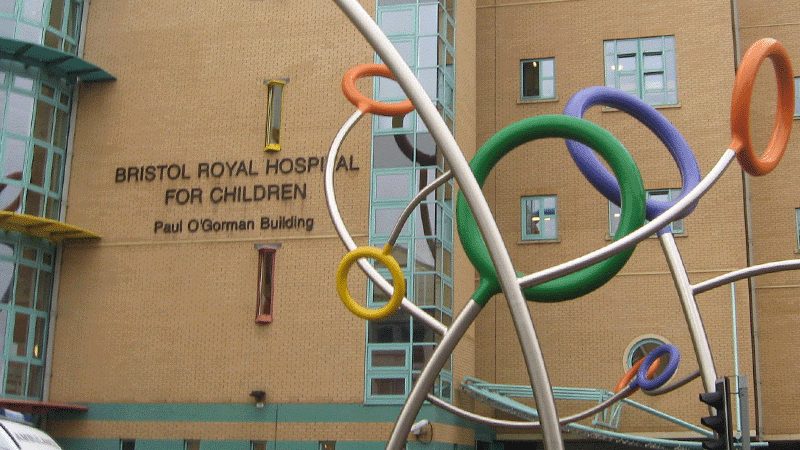
Natasha Kirkpatrick donated her cord blood after she gave birth to Ellaria in 2017. Just two years later, Ellaria was diagnosed with acute lymphoblastic leukaemia, and after chemotherapy relapsed, she was saved by an emergency cord blood transplant at Bristol Royal Hospital for Children in 2022.
Umbilical cord blood is a rich source of stem cells — taken after birth when the cord is cut — which can be used to treat cancers, immune conditions and genetic disorders. Since the use of cord blood does not require the destruction of human embryos, it has been promoted by pro-life campaigners.
‘Proud’
Mum Natasha said that Ellaria, who is now eight years old, is “a typical girl; loves her music like Elvis, K-Pop and the Spice Girls, her dancing. She is funny”.
Although she is “still being monitored and she has some after-effects that affected her heart and brain a little”, Natasha said nobody would know “what she has been through from looking at her”.
The mother, who is now expecting her fourth child, stated: “I cannot thank the mum who donated the cord blood Ellaria received enough. Without the doctors and without that transplant, she would not be here. I just think it’s great that people do it – and I was proud to do it myself.”
One thousand donations
The NHS has now issued one thousand umbilical cord blood donations for stem cell transplants.
The NHS Blood and Transplant (NHSBT) cord blood bank in Filton, Bristol, which is the fourth largest in the world, contains almost 20,000 donations for clinical use.
Mothers who give birth at certain hospitals, including University College Hospital, Luton and Dunstable Hospital and St George’s Hospital, can choose to donate their cord blood, which will be frozen until a match is found.
Head of NHSBT Cord Blood Bank Alex Ross stated: “Stem cells from cord blood can be safely stored for years. Your baby may be grown up by the time they save a life, perhaps even older than the recipient – it’s a very special way to donate.”
Groundbreaking gene therapy helps fight aggressive cancer
Ethical stem cell treatment for MS gives Oxford don new lease of life
Ethical stem cell research points to potential stroke and dementia treatment